Understanding Alzheimer’s and Dementia
Alzheimer’s and dementia are often used interchangeably, but they are not the same. Dementia is an umbrella term for a set of symptoms related to cognitive decline, including memory loss and difficulties with thinking, problem-solving, or language. Alzheimer’s is a specific type of dementia and the most common cause of memory loss among older people.
Differences between Alzheimer’s and Dementia
- Dementia is a general term for cognitive decline, while Alzheimer’s is a specific disease.
- Alzheimer’s is a progressive brain disorder that eventually leads to death, while dementia is not a specific disease but rather a group of symptoms.
How Alzheimer’s and Dementia affect patients' daily lives
- Memory loss: Patients may struggle to remember recent events or important information.
- Difficulty with tasks: Patients may have trouble completing familiar tasks or following instructions.
- Changes in mood and behavior: Patients may experience mood swings, confusion, or agitation.
Common symptoms associated with Alzheimer’s and Dementia
- Memory loss that disrupts daily life
- Difficulty planning or solving problems
- Confusion with time or place
- Trouble understanding visual images and spatial relationships
Importance of Live-in Home Care

Live-in home care plays a crucial role in providing specialized support and improving the quality of life for Alzheimer's and Dementia patients.
Personalized Support
- Live-in caregivers offer personalized attention and care tailored to the specific needs of each patient.
- They create a familiar and consistent environment, which can help reduce confusion and anxiety in patients.
- Having a dedicated caregiver around the clock ensures immediate assistance in case of emergencies or any sudden changes in the patient's condition.
Improved Quality of Life
- Live-in care enables patients to stay in the comfort of their own homes, surrounded by familiar belongings and routines.
- It promotes independence by allowing patients to maintain a sense of control over their daily activities and decisions.
- Regular companionship and engagement provided by live-in caregivers can enhance cognitive function and emotional well-being in patients.
Finding the Right Care Provider
When looking for a live-in home care provider for Alzheimer's and dementia patients, it is crucial to consider several key factors to ensure the best possible care for your loved one.
Qualifications and Training
- Choose a care provider that specializes in Alzheimer's and dementia care, with caregivers who have specific training and experience in handling the unique challenges associated with these conditions.
- Ensure that the caregivers are properly certified and licensed to provide the necessary level of care, including administering medications and managing behavioral symptoms.
- Look for caregivers who are compassionate, patient, and understanding, as these qualities are essential when caring for individuals with Alzheimer's and dementia.
Researching and Selecting
- Start by asking for recommendations from healthcare professionals, support groups, or friends and family members who have experience with live-in home care providers.
- Research potential care providers online, read reviews, and check their accreditations and certifications to ensure they meet the necessary standards of care.
- Schedule interviews with the care providers to discuss your loved one's specific needs and preferences, and observe how they interact with your loved one to ensure a good fit.
- Consider the cost of care and whether the provider accepts insurance or offers financial assistance options to help cover the expenses.
Creating a Safe and Supportive Environment
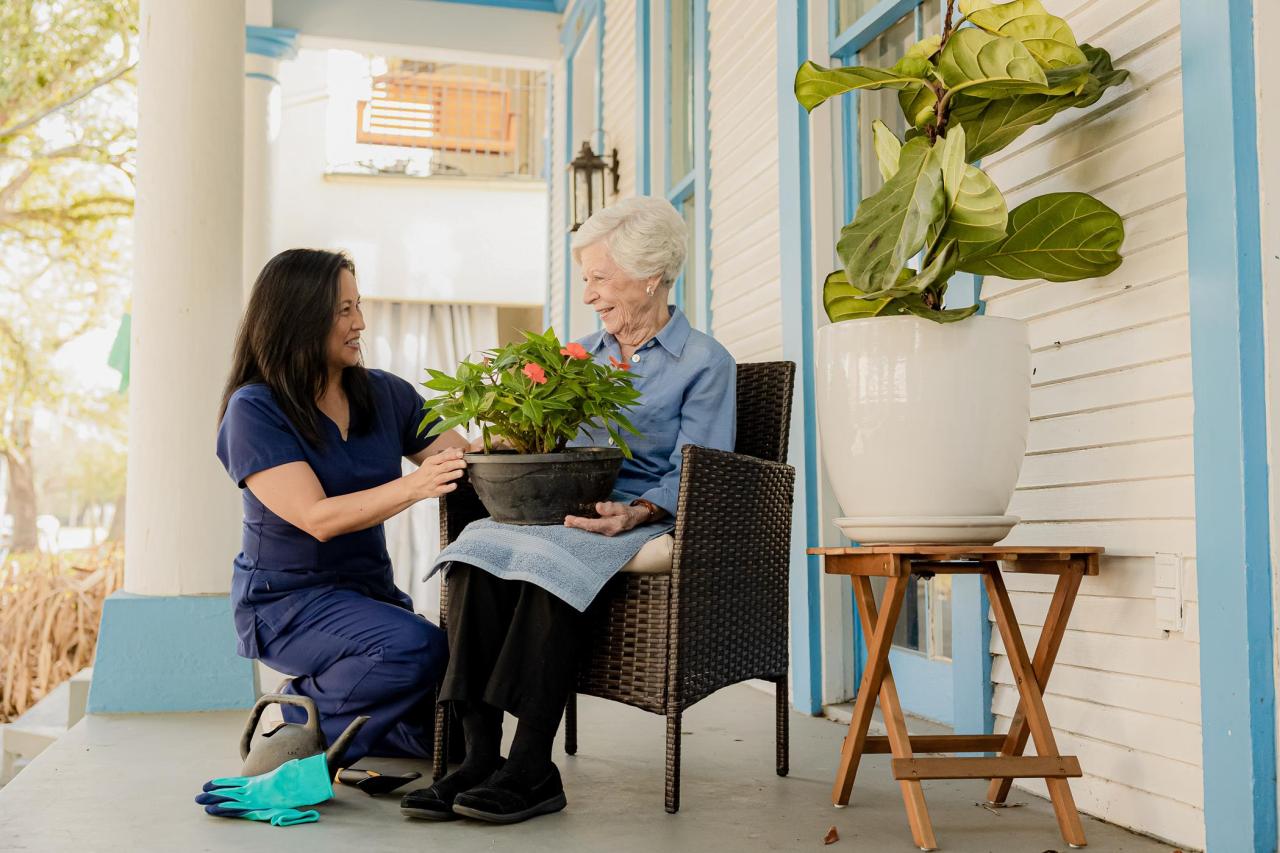
Creating a safe and supportive environment for Alzheimer's and dementia patients is crucial in ensuring their well-being and quality of life. Modifying the home environment to cater to their specific needs can help reduce confusion and agitation, while promoting a sense of security and familiarity.
Modifying the Home Environment
- Install grab bars and handrails in key areas to prevent falls and provide support.
- Remove tripping hazards such as loose rugs or clutter to create a clear pathway.
- Label drawers and cabinets to help patients easily locate items they need.
- Use contrasting colors for walls and furniture to aid in visual perception.
Promoting Independence with Support
- Encourage patients to engage in simple daily tasks to maintain their sense of independence.
- Offer gentle reminders and assistance when needed, without taking over tasks completely.
- Create a structured routine that allows patients to feel in control while receiving necessary support.
Establishing Routines and Familiarity
- Stick to a consistent daily schedule for meals, medication, and activities to reduce anxiety.
- Display familiar items and photographs around the house to evoke positive memories and comfort.
- Engage in activities that patients enjoy and are familiar with to promote a sense of normalcy.
- Provide a calm and quiet environment to minimize confusion and agitation.
Questions Often Asked
What are the key differences between Alzheimer’s and Dementia?
Alzheimer’s is a specific type of dementia, characterized by memory loss as the primary symptom. Dementia, on the other hand, is an umbrella term for a set of symptoms including memory loss and cognitive decline.
How can live-in home care benefit Alzheimer’s and Dementia patients?
Live-in home care provides round-the-clock support, personalized attention, and a familiar environment for patients, enhancing their quality of life and overall well-being.
What qualifications should caregivers have for specialized Alzheimer’s and Dementia care?
Caregivers should have training in dementia care, patience, empathy, and the ability to handle challenging behaviors that may arise in patients with Alzheimer’s and Dementia.