Introduction to Live-in Home Care

Live-in home care for seniors involves a caregiver residing with the elderly individual in their own home to provide round-the-clock assistance and support with daily activities.
Compared to other senior care options such as assisted living facilities or nursing homes, live-in home care offers personalized one-on-one care in a familiar and comfortable environment, promoting independence and enhancing quality of life for seniors.
Benefits of Live-in Home Care
- 24/7 Care and Support: Seniors receive continuous assistance with activities of daily living, medication management, and companionship.
- Promotes Independence: Allows seniors to age in place and maintain a sense of autonomy and familiarity in their own home.
- Personalized Care: Tailored care plans to meet the specific needs and preferences of each individual senior.
- Cost-Effective: Can be a more affordable option than residential care facilities, especially for couples or those requiring extensive care.
Examples of Situations Benefiting from Live-in Home Care
- Seniors with Dementia: Individuals with cognitive impairments often thrive in familiar surroundings with consistent care and routines.
- Recovery from Surgery or Illness: Seniors needing temporary assistance during the healing process can benefit from 24/7 support at home.
- Loved Ones with Limited Mobility: Those with mobility challenges can receive necessary assistance with daily tasks and movement in their own home.
Finding Affordable Live-in Home Care Options

When seeking live-in home care options for seniors, affordability is a crucial factor to consider. Here are some key points to help you find affordable live-in home care services:
Research Local Live-in Home Care Services
Begin your search by researching local live-in home care services available for seniors in your area. Check for reviews, ratings, and testimonials to ensure the quality of care provided.
Compare Costs with Other Senior Care Options
Compare the cost of live-in home care with other types of senior care, such as assisted living facilities or nursing homes. Consider the level of care provided and the overall expenses involved to make an informed decision.
Explore Financial Assistance Programs
Look into financial assistance programs or resources that can help cover the cost of live-in home care. This may include Medicaid, Veterans benefits, long-term care insurance, or other community-based programs designed to support seniors in need of care.
When choosing a live-in home care provider for a senior, it is crucial to consider certain qualities and skills that are essential for ensuring the well-being and comfort of your loved one. Additionally, conducting thorough background checks and verifying certifications can provide added assurance of the caregiver's qualifications and reliability.
Here are some tips on how to interview and select the right live-in home care provider for a senior.
Essential Qualities and Skills
- Compassion and Empathy: A good caregiver should show genuine care and understanding towards the senior.
- Patience: Dealing with seniors requires a great deal of patience and the ability to handle challenging situations calmly.
- Communication Skills: Effective communication is essential for understanding the senior's needs and preferences.
- Experience: Look for caregivers with experience in providing live-in home care for seniors.
Importance of Background Checks and Certifications
Background checks are crucial to ensure the caregiver has a clean record and is trustworthy. Certifications in areas such as first aid, CPR, and specialized training in senior care can demonstrate the caregiver's competence and dedication to their role.
Tips for Interviewing and Selecting
- Prepare a list of questions: Ask about their experience, approach to caregiving, and how they handle emergencies.
- Observe their interaction with the senior: Pay attention to how they engage with the senior and assess their level of compassion.
- Check references: Contact previous employers or clients to get feedback on the caregiver's performance.
- Trust your instincts: If something doesn't feel right during the interview process, it's important to trust your intuition and continue your search for the right caregiver.
Creating a Safe and Comfortable Environment for Seniors
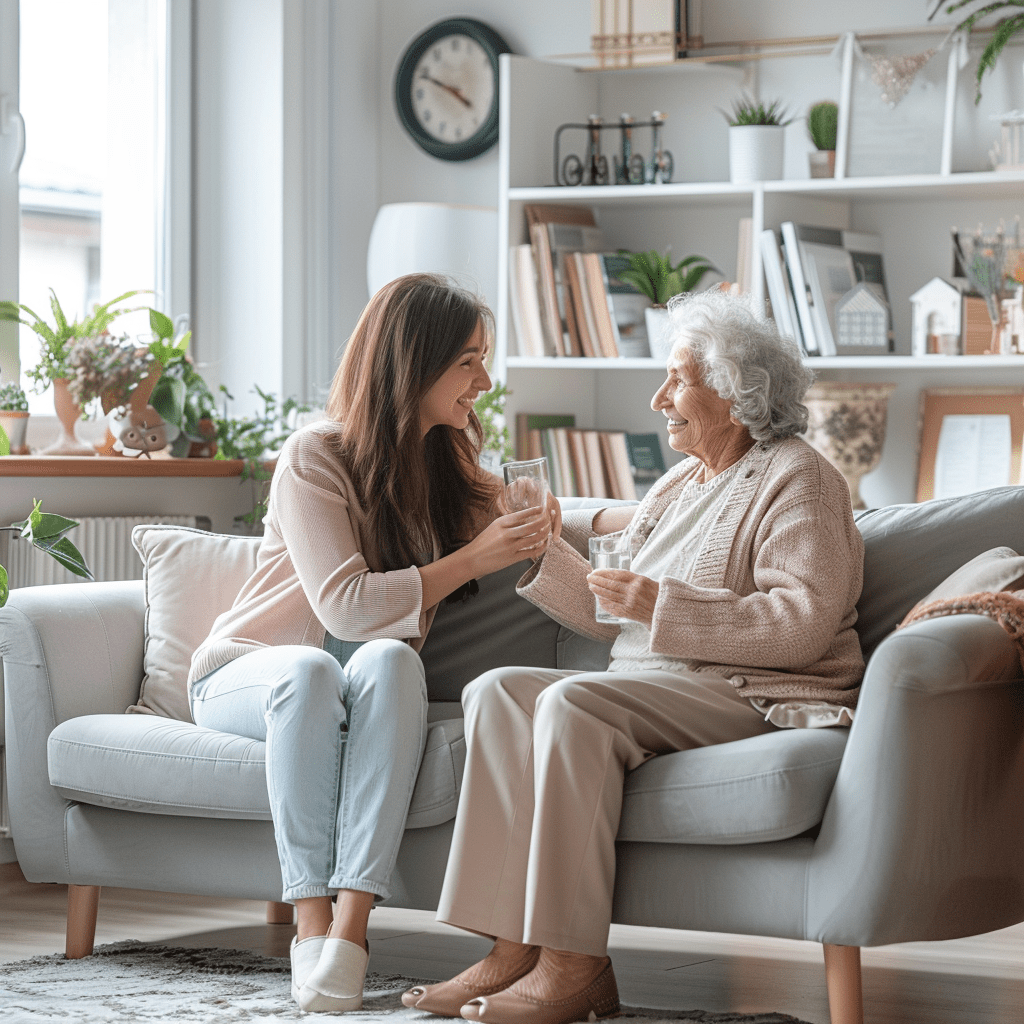
Creating a safe and comfortable environment is crucial for seniors receiving live-in home care. By making some modifications to the home and providing personalized care plans, you can ensure that seniors feel secure and content in their living space.
Modifying the Home Environment
Modifying the home environment can greatly improve safety and comfort for seniors. Some suggestions include:
- Installing grab bars in the bathroom and near the bed to prevent falls.
- Ensuring proper lighting in all areas of the house to aid visibility.
- Removing rugs and other tripping hazards to reduce the risk of accidents.
- Adapting the furniture layout for easy navigation and accessibility.
Personalized Care Plans
Creating personalized care plans based on the individual needs and preferences of seniors is essential for their well-being. Factors to consider when developing a care plan include:
- Medical conditions and medication management.
- Dietary restrictions and meal planning.
- Mobility assistance and physical activities.
- Social interaction and mental stimulation.
Activities and Social Engagement
Engaging seniors in various activities and social opportunities is key to promoting their overall well-being. Some ideas for activities in a live-in home care setting include:
- Arts and crafts projects to stimulate creativity.
- Gentle exercises or yoga for physical health.
- Reading clubs or discussion groups for mental stimulation.
- Outdoor walks or gardening for fresh air and connection with nature.
Commonly Asked Questions
What qualifications should a live-in home care provider have?
A live-in home care provider should ideally have certifications in caregiving, relevant experience, and undergo background checks for credibility.
Are there financial assistance programs available for seniors seeking live-in home care?
Yes, there are various financial assistance programs and resources like Medicaid, VA benefits, and long-term care insurance that can help cover the costs of live-in home care for seniors.