Collaborating Physician vs Supervising Physician
Collaborating physicians and supervising physicians play crucial roles in the healthcare field, but their responsibilities differ significantly. Let's delve into the specifics of each role to understand the key differences.
Roles and Responsibilities of a Collaborating Physician
Collaborating physicians work closely with other healthcare professionals, such as nurse practitioners or physician assistants, to provide comprehensive patient care. Their primary responsibility is to collaborate on treatment plans, make clinical decisions, and ensure the well-being of patients. Collaborating physicians often review and co-sign medical records, consult on complex cases, and provide guidance and support to the healthcare team.
Roles and Responsibilities of a Supervising Physician
Supervising physicians oversee the work of other healthcare providers, such as residents, fellows, or advanced practice clinicians. They are responsible for supervising the clinical activities of these providers, ensuring compliance with regulations and protocols, and providing mentorship and guidance. Supervising physicians also review and approve treatment plans, monitor patient progress, and intervene in critical situations when necessary.
Key Differences between a Collaborating Physician and a Supervising Physician
- Collaborating physicians work directly with other healthcare professionals to provide patient care, while supervising physicians oversee the work of healthcare providers.
- Collaborating physicians focus on collaboration and decision-making, while supervising physicians focus on oversight and supervision.
- Collaborating physicians often have a more equal partnership with other providers, while supervising physicians have a hierarchical relationship with those they supervise.
- Collaborating physicians may work in team-based settings, while supervising physicians typically have a more individualized supervisory role.
Qualifications and Requirements
To become a collaborating physician, one must typically hold a Doctor of Medicine (MD) or Doctor of Osteopathic Medicine (DO) degree from an accredited medical school. Additionally, they must be licensed to practice medicine in the state where they will be collaborating with other healthcare providers.
A collaborating physician should have relevant experience in their field of specialty and demonstrate a commitment to high-quality patient care.
Qualifications for a Collaborating Physician
- Doctor of Medicine (MD) or Doctor of Osteopathic Medicine (DO) degree
- Active state medical license
- Experience in their specialty
- Commitment to high-quality patient care
Qualifications for a Supervising Physician
To become a supervising physician, one must meet similar qualifications to a collaborating physician. They should also have additional experience in a supervisory role, overseeing other healthcare providers, and ensuring compliance with regulations and standards of care. Supervising physicians may also need to complete specific training or certifications related to their supervisory responsibilities.
- Doctor of Medicine (MD) or Doctor of Osteopathic Medicine (DO) degree
- Active state medical license
- Experience in their specialty
- Supervisory experience
- Training or certifications related to supervision
Relationship with Other Healthcare Professionals

Collaborating physicians and supervising physicians play crucial roles in the healthcare team, working closely with other medical professionals to ensure optimal patient care.
Collaborating Physicians Interactions
- Collaborating physicians work hand in hand with nurse practitioners, physician assistants, and other allied healthcare professionals to develop treatment plans and coordinate patient care.
- They communicate regularly with pharmacists, physical therapists, and specialists to ensure comprehensive care for patients.
- Collaborating physicians actively participate in multidisciplinary team meetings to discuss complex cases and make informed decisions regarding patient management.
Supervising Physicians Relationship Dynamics
- Supervising physicians oversee the work of residents, medical students, and other healthcare providers, providing guidance, feedback, and support.
- They collaborate with nurses, therapists, and technicians to ensure that treatment plans are implemented effectively and patient progress is monitored closely.
- Supervising physicians lead rounds and case discussions, fostering a team-based approach to patient care and encouraging input from all team members.
Impact of Effective Collaboration and Supervision
- Effective collaboration between healthcare professionals, including collaborating and supervising physicians, leads to improved patient outcomes, reduced medical errors, and enhanced patient satisfaction.
- Supervision by experienced physicians ensures that junior staff members receive proper training and mentorship, contributing to their professional development and the overall quality of care provided.
- Collaboration and supervision create a supportive environment where team members can learn from each other, share knowledge and expertise, and ultimately deliver the best possible care to patients.
Legal and Ethical Considerations
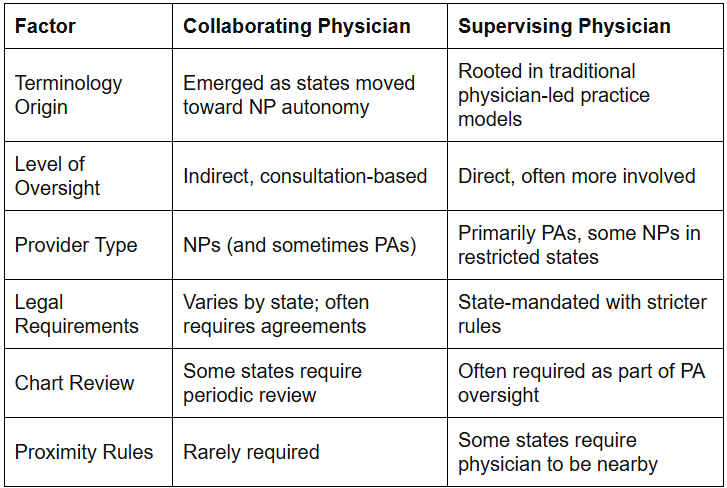
When it comes to the practice of collaborating and supervising physicians, there are various legal and ethical considerations that must be taken into account to ensure the delivery of safe and effective patient care.
Legal Implications for Collaborating Physicians
Collaborating physicians must adhere to state laws and regulations governing their practice. They are responsible for ensuring that they have a valid collaborative agreement in place with the advanced practice provider they are working with. This agreement Artikels the scope of the collaboration, the responsibilities of each party, and the protocols for communication and decision-making.
Failure to comply with these legal requirements can result in disciplinary action, fines, or even the loss of their medical license.
Ethical Considerations for Supervising Physicians
Supervising physicians are entrusted with overseeing the practice of advanced practice providers and ensuring that they deliver high-quality care to patients. It is essential for supervising physicians to maintain open lines of communication with their supervisees, provide guidance and support when needed, and intervene if they believe patient care is compromised.
Upholding ethical standards, such as patient confidentiality, respect for autonomy, and honesty in all interactions, is paramount for supervising physicians.
Regulatory Requirements
In addition to legal and ethical considerations, collaborating and supervising physicians must also comply with regulatory requirements set forth by licensing boards and professional organizations. These requirements may include continuing education, documentation of supervision activities, and periodic review of the collaborative or supervisory relationship.
By adhering to these regulations, physicians can ensure that they are providing safe and effective care to their patients while maintaining the integrity of their practice.
FAQ Summary
What are the main responsibilities of a collaborating physician?
A collaborating physician works closely with other healthcare professionals to provide comprehensive care for patients, often in a team-based setting.
What qualifications are needed to become a supervising physician?
To become a supervising physician, one typically needs advanced medical training, experience, and often board certification in their specialty.
How do collaborating physicians interact with other healthcare professionals?
Collaborating physicians collaborate with nurses, physician assistants, and other specialists to coordinate patient care and treatment plans.
What legal implications should collaborating physicians be aware of?
Collaborating physicians must adhere to state laws governing medical practice and ensure they meet all legal requirements for their collaborative agreements.
How does effective collaboration or supervision impact patient care?
Effective collaboration and supervision lead to improved patient outcomes, streamlined care delivery, and better coordination among healthcare providers.